As soon as Santa Claus rides his sleigh down 34th Street at the end of the Macy’s Thanksgiving Day Parade, Christmas is officially in full swing– expressed in everything from music and movies to decor and fashion. Christmas lights go up around the neighborhood, Mariah Carey’s hit track “All I Want For Christmas Is You” tops everyone’s playlist, and boxes of “ugly Christmas sweaters” come down from the attic.
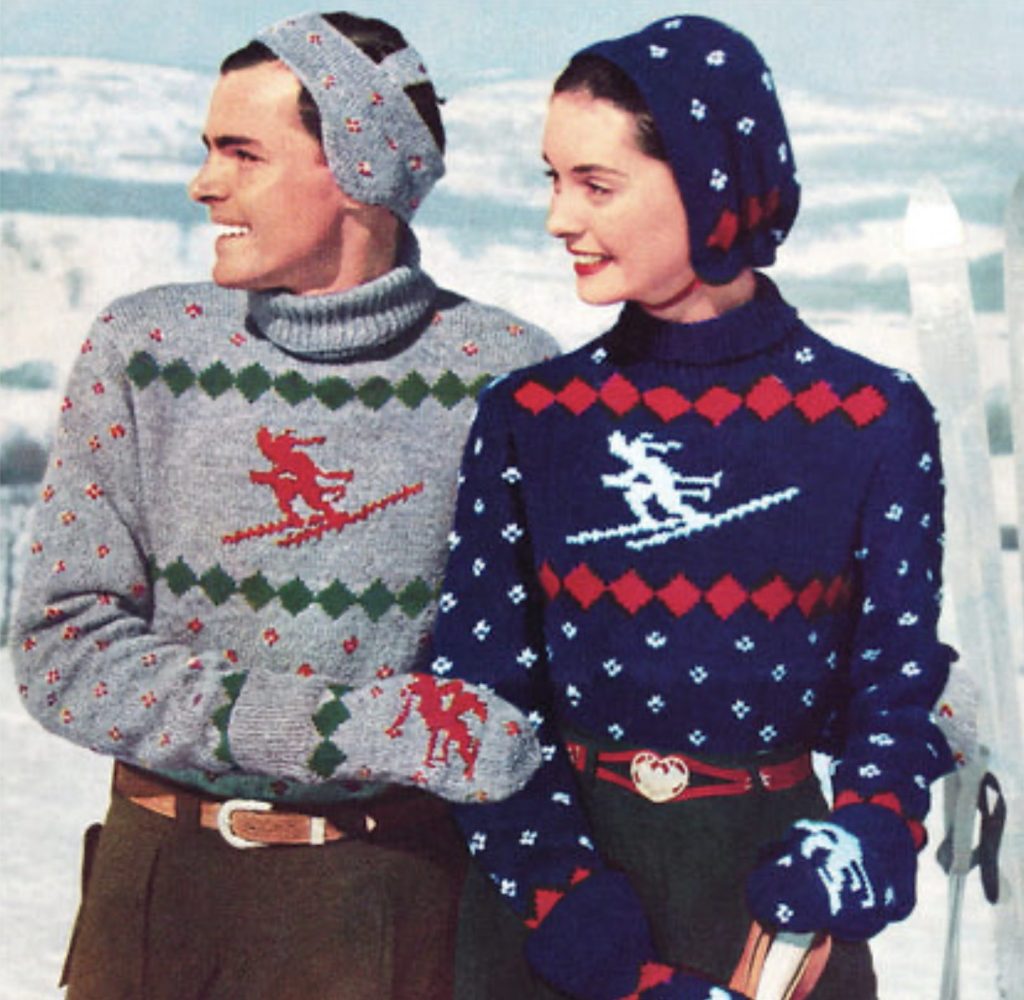
These sweaters are festive, intentionally gaudy, and feature flashy two and three-dimensional ornamentation such as tinsel, jingle bells, wreaths, and ornaments. Originating in the 1950s, the knit sensations were initially known as Jingle Bell Sweaters. They were the first mass-produced Christmas-themed garments and featured subtle, more conservative colors and subjects such as reindeer, Christmas trees, and snowflakes. This style was generally well-received and complemented post-war society by boosting morale and helping people embrace their holiday spirit.
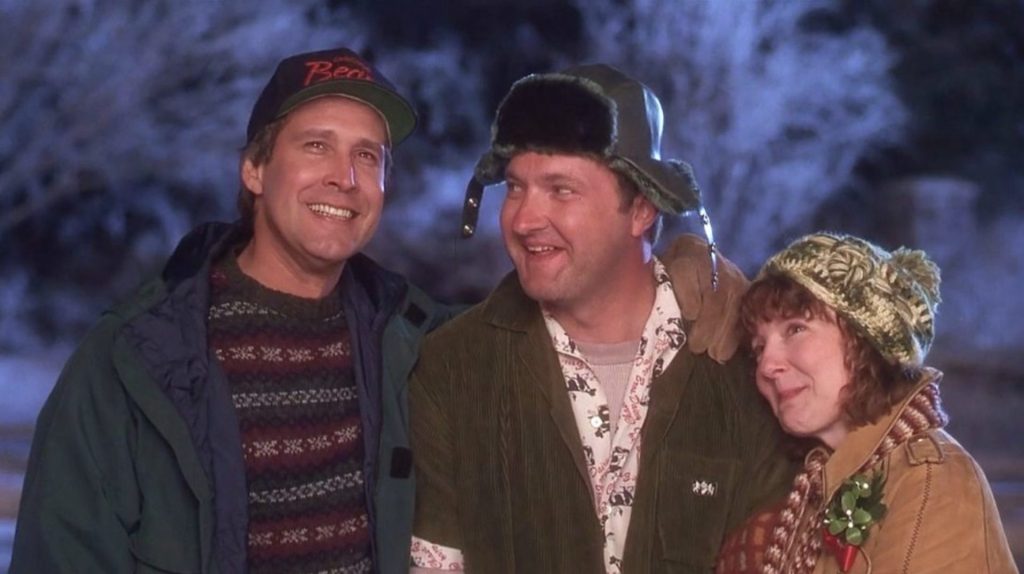
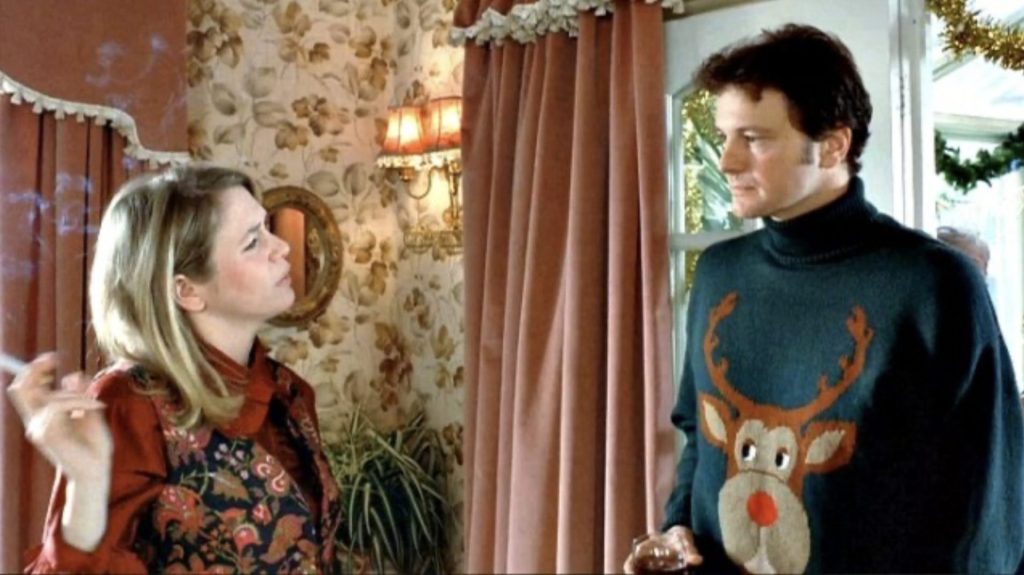
The sweaters became mainstream by the 1980s, and reflected the decade’s vibrancy, bold patterns, and over-the-top style. Films such as Jeremiah S. Chechink’s National Lampoon’s Christmas Vacation (1989) popularized the style in this era. Characters like Clark Griswold (Chevy Chase), presented them as a symbol of imperfect, yet cheerful and memorable holiday life. Although the trend decreased in popularity in the 1990s due to the rise of minimalist fashion, it returned to the public consciousness in the early 2000s with films such as Sharon Maguire’s Bridget Jones’s Diary (2001).
In 2002, Canadian college students Chris Boyd and Jordan Birch were credited with officially coining the term “ugly Christmas sweater” and launching the worldwide phenomenon. That December, they hosted a themed party with their friends and established only one condition: they had to wear the ugliest Christmas sweater they owned. The party was an undeniable hit and evolved into a new tradition. By the fourth and fifth years of the celebration, they had to rent local venues and ballrooms to accommodate the volume of guests in attendance.
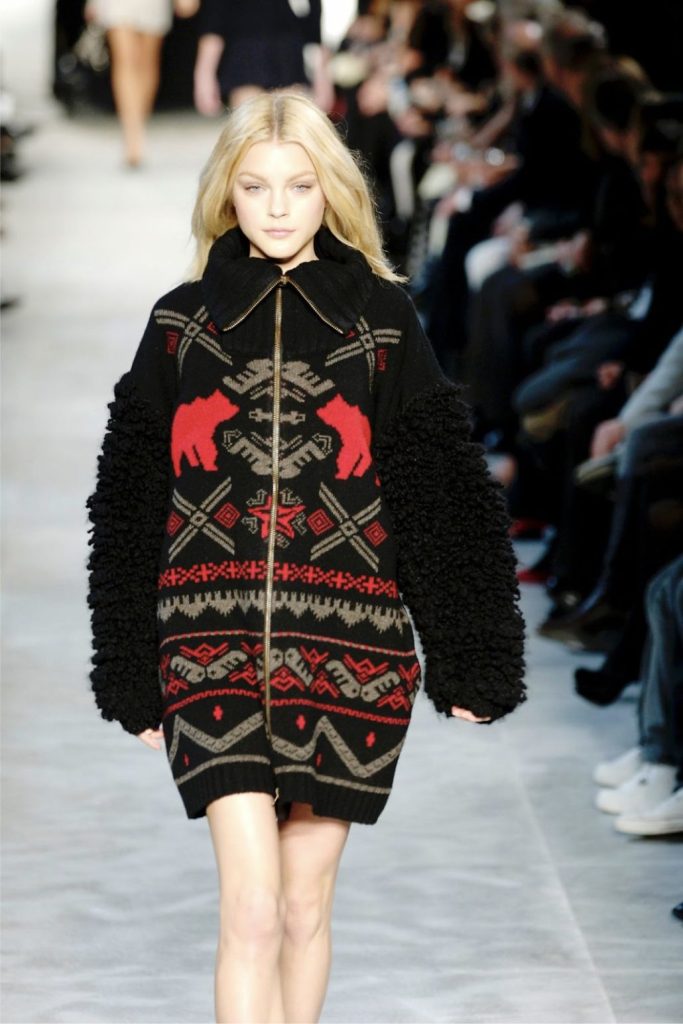
By 2011, lovers of this fashion had created National Ugly Christmas Sweater Day, celebrated annually on the third Friday of December in the United States, granting everyone the opportunity to flaunt the wonderfully tacky ornamentation on their favorite sweaters. Major designers such as Stella McCartney, Givenchy, and Dolce & Gabbana joined in on the trend, releasing their renditions of the sweater for memorable and distinctive holiday-themed collections.
The ugly Christmas sweater is a pop culture phenomenon that is alive and well to this day. While these maximalist designs may not be everyone’s cup of eggnog, there is no denying this cherished holiday tradition’s ability to bring people together through lighthearted humor and festive fun.
Sources:
CNN: “A Cozy History of the Ugly Christmas Sweater
https://www.cnn.com/style/ugly-christmas-sweater-holidays-history
3B Healthcare: A Cozy Walk Through Ugly Christmas Sweater History: How a Quirky Trend Became a Holiday Icon
https://3bhealthcare.us/ugly-christmas-sweater-history-evolution/
Fashion University: “This Could Get Ugly: The History of the Ugly Christmas Sweater
The Fact Shop: Unraveling the History of the Ugly Christmas Sweater
https://www.thefactshop.com/fashion-facts/ugly-christmas-sweater-history/